When the West Took the Wheel: How American Fan Creators Are Rewriting the Rules of Anime Ownership
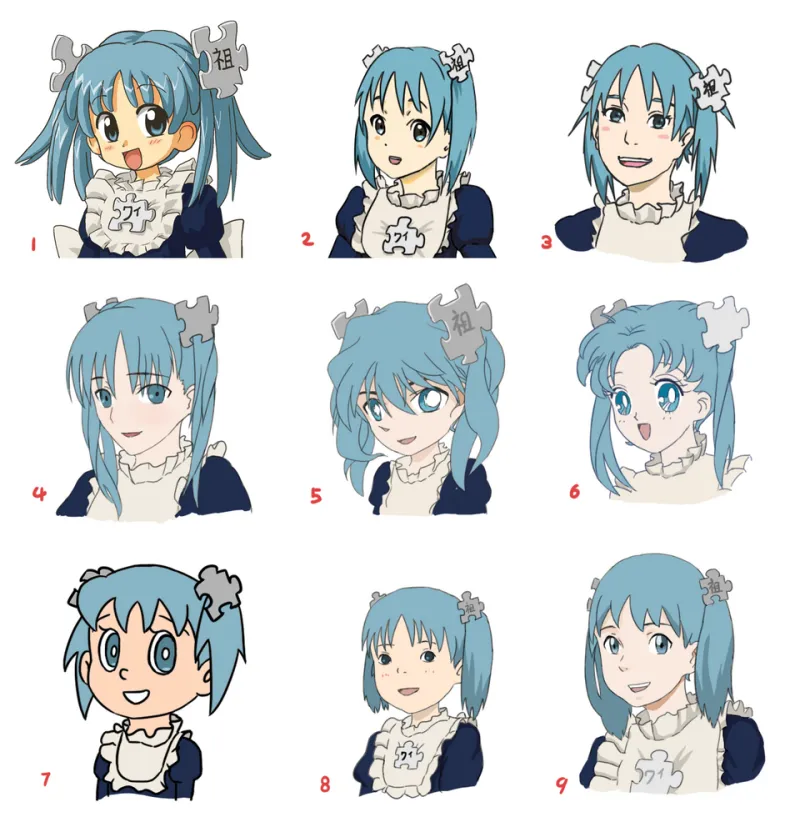
Photo: 燃灯, CC BY-SA 4.0, via Wikimedia Commons
For decades, the relationship between Japanese anime studios and their Western fanbase was pretty simple: Japan made the stuff, America consumed it. Fan art happened in sketchbooks. Fanfiction lived on forgotten forum threads. Nobody was making rent off it.
That arrangement is officially over.
Today, a single talented fan artist in Ohio can pull six figures annually selling prints, commissions, and digital downloads of their favorite Jujutsu Kaisen or Demon Slayer characters. A fanfic writer on AO3 with the right fandom and the right ship can build an audience of hundreds of thousands — sometimes larger than the readership of mid-tier original novels. And somewhere in between, a cottage industry of American creators has quietly constructed an entire parallel economy on top of intellectual property that, legally speaking, belongs entirely to studios in Tokyo.
Japanese publishers and animation houses are paying attention. And by most accounts, they're not entirely sure what to do about it.
The Numbers Don't Lie
Let's talk scale for a second, because this isn't a niche problem anymore. Archive of Our Own — the nonprofit fanfiction platform most closely associated with anime and manga fandom — now hosts over 12 million works. A significant and growing chunk of those are anime-derived, and many of the most-read stories are written by American authors working in English.
On the visual side, platforms like Twitter (now X), Instagram, and Bluesky are absolutely saturated with fan art that routinely outperforms official promotional content in terms of engagement. Some of these artists operate openly monetized Patreon accounts, charge for commissions, and sell physical merch through storefronts like Etsy or their own personal shops. We're talking real money — not beer money, but mortgage-payment money.
The kicker? Almost none of it is licensed. Almost none of it sends a single yen back to the studios that created the source material.
Japan's Complicated Relationship With Fan Creativity
Here's where it gets genuinely interesting, because Japan's approach to fan-created content has never been as simple as "sue everyone into oblivion." There's a long-standing cultural tradition in Japan called dōjinshi — self-published fan works, often manga, that riff on existing properties. Big publishers have historically tolerated this gray market, partly because it cultivates passionate fanbases, and partly because going after hobbyist creators is expensive, bad PR, and kind of antithetical to how fan culture has always operated there.
But the dōjinshi ecosystem has rules, even if they're unwritten. Keep it small. Don't undercut the original. Don't make it look like an official product. And critically — don't get too big.
American fan creators, operating in an entirely different legal and cultural context, often don't know those unwritten rules exist. And even when they do, US platforms don't exactly enforce them. Etsy isn't Comiket. Patreon isn't a Tokyo convention hall. The informal social contracts that kept Japan's fan economy in a manageable gray zone don't translate cleanly across the Pacific.
The Legal Gray Zone Is Getting Grayer
US copyright law is its own beast. Fan works generally aren't protected under fair use just because they're non-commercial — and a lot of the most successful fan creators are commercial at this point, whether they frame it that way or not. Charging for a commission of Levi Ackerman isn't legally protected just because you're "a fan."
And yet, enforcement is nearly nonexistent. Why? Partly because international IP litigation is brutally expensive. Partly because studios have historically worried that cracking down on fan creativity would generate massive backlash from the very audiences they depend on. And partly because, honestly, there hasn't been a clear legal framework to point to.
Some studios have started quietly issuing takedown notices — particularly when fan content crosses into territory that feels like direct competition with official merchandise. Others have tried a different approach, essentially looking the other way while drawing invisible lines around certain types of content (explicit material, for instance, tends to get targeted faster than general fan art).
But none of this is systematic. It's reactive, case-by-case, and increasingly inadequate for the scale of what's happening.
Who Actually "Owns" Anime Culture Now?
This is the question that nobody in the industry wants to answer out loud, because the honest answer is messy.
Japanese studios own the IP. That's not in dispute. But cultural ownership — the living, breathing, evolving conversation around a franchise — is increasingly happening in English, on American platforms, driven by American creators. When a character from My Hero Academia gets reimagined through a distinctly American cultural lens in a viral piece of fan art, who does that creative labor belong to? When a fanfic writer spends three years building out a beloved alternate universe for Attack on Titan characters that attracts a readership in the millions, what's the relationship between that work and the original?
These aren't just philosophical questions. They have economic weight. Fan communities actively drive merchandise sales, streaming subscriptions, and theatrical ticket purchases. Studios benefit enormously from the passion of fan creators — and they know it. Killing that ecosystem would be self-destructive. But letting it grow completely unchecked means watching a parallel creative economy thrive without contributing anything back.
What Comes Next?
A few things seem likely to shake out over the next several years.
First, more studios will probably move toward formalized fan creator programs — essentially licensing frameworks that let creators operate legally in exchange for revenue sharing or content restrictions. Vtuber agencies have already experimented with this model with some success, and it's not hard to imagine anime studios following suit.
Second, US platforms are going to face more pressure to mediate these disputes. If a major studio decides to make an example out of a high-profile fan creator, the platform hosting their content is going to be caught in the middle — and that's a situation nobody wants.
Third, and maybe most importantly, the conversation about who gets to participate in anime culture is going to keep evolving. American fans aren't passive consumers anymore. They're co-creators, community builders, and in some cases, genuinely talented artists producing work that rivals official output in quality and cultural impact. That's not going away.
The studios that figure out how to work with that reality — rather than against it — are probably the ones that will define what anime fandom looks like in another decade. The ones that don't will spend a lot of money on lawyers and lose anyway.
Either way, the days of Japan making it and America just watching are long gone. The wheel has changed hands, and everyone's still figuring out where the car is headed.