Whose Story Is It, Anyway? The Culture War Quietly Brewing Inside BL Manga Fandom
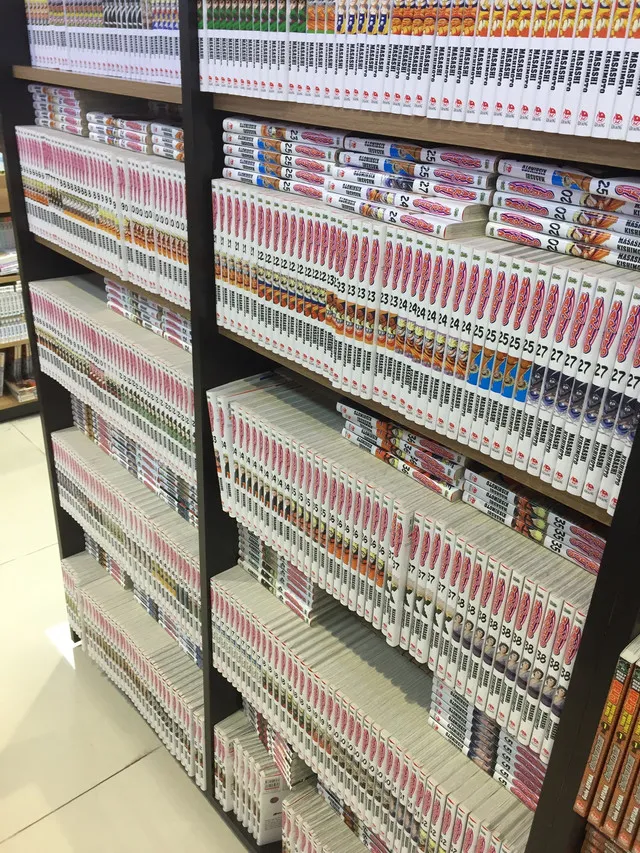
Photo: AxitTDTbenzoic, CC BY-SA 4.0, via Wikimedia Commons
There's a particular kind of irony baked into the current state of Boys' Love manga in America. A genre that has spent decades building one of the most passionate, devoted, and creatively engaged fan communities in all of otaku culture is now finding itself at the center of a very uncomfortable question: do Western fans have the right to tell Japanese creators how to write queer stories?
Spoiler alert — nobody agrees on the answer.
What's Actually Going On
BL manga, for the uninitiated, is a genre of Japanese comics featuring romantic and often sexual relationships between male characters. It has deep roots in Japan's dōjinshi scene, grew out of shōjo manga traditions, and has historically been created by women for women — a fact that becomes increasingly relevant the further this conversation goes.
In the US, BL has exploded. Publishers like Seven Seas, SuBLime (Viz Media's BL imprint), and Tokyopop have aggressively expanded their catalogs. Digital platforms have made titles accessible overnight. And social media has given Western readers a megaphone they've never had before.
The problem? That megaphone is getting pointed directly at Japanese creators — and the feedback isn't always welcome.
On platforms like Twitter/X, Tumblr, and TikTok's BookTok corner, vocal segments of the American BL fandom have been pushing back hard on certain story tropes: non-consensual scenarios played for romance, power imbalances that read as predatory, and the near-total absence of openly gay identity in characters who are, well, very clearly in love with other men. The criticism isn't coming from nowhere. These are real conversations happening in queer spaces about how gay men are portrayed in media created largely without their input.
But here's where the friction starts.
The Creator Intent Problem
Many Japanese BL mangaka — again, predominantly straight women — have spent careers developing a genre with its own internal logic, aesthetic language, and emotional grammar. The "seme and uke" dynamic, the ambiguous sexuality, the fantasy-forward storytelling — these aren't oversights. They're features. Intentional creative choices rooted in a specific cultural tradition of exploring desire through a kind of safe fictional distance.
When American fans show up in comment sections, fan communities, and even in letters to publishers demanding that creators "do better" by queer representation standards shaped by Western LGBTQ+ activism, the response from parts of the Japanese creative community has ranged from baffled to genuinely hurt.
Some mangaka have quietly noted — through interviews and social posts that rarely make it into English without fan translation — that they didn't set out to write political manifestos. They wrote love stories. The idea that their work needs to be filtered through an American cultural lens to be considered acceptable feels, to some of them, like exactly the kind of cultural imposition they'd push back on in any other context.
And yet.
The Fandom Isn't Wrong, Either
Here's the uncomfortable part: a lot of the criticism Western fans are raising isn't baseless.
There are BL titles that treat sexual coercion as romantic. There are stories where one partner's lack of consent is framed as cute or inevitable. And when those titles get licensed and land in American bookstores — sitting on shelves next to manga aimed at teenagers — the conversation about what messages are being normalized becomes genuinely important.
Queer American readers, particularly gay men who feel like the genre is essentially about them but not for them, have every right to articulate what it feels like to see their identity used as a fantasy backdrop without much consideration for their actual lived experience. That's not censorship. That's feedback from a community.
The tension isn't really about whether the content is good or bad. It's about who holds authority over queer narratives — and whether that authority can or should cross cultural lines.
Publishers Caught in the Middle
US manga publishers are navigating this minefield with varying degrees of grace. Some have quietly passed on licensing titles with more extreme content. Others have added content warnings to existing releases. A few have leaned into the discourse, platforming conversations about BL representation on their own social channels.
What none of them seem entirely sure how to do is explain to their American audience that the cultural context surrounding BL in Japan is genuinely, meaningfully different — without that explanation sounding like a dismissal of valid concerns.
The truth is that BL in Japan exists in a creative ecosystem where genre conventions are understood by readers as conventions. The fantasy isn't meant to be a blueprint. Most Japanese BL readers would find it strange to be told they're internalizing harmful messages from fiction they've always understood as fiction. Meanwhile, American readers — particularly younger ones raised on media literacy discourse — are trained to read representation politically whether they want to or not.
Neither framework is wrong. They're just talking past each other at high volume.
So Where Does This Leave Us?
The BL fandom in America isn't going anywhere. If anything, it's growing faster than ever — and with that growth comes more diversity of opinion, more political engagement, and more friction with source material that wasn't designed with American cultural sensitivities in mind.
What might actually help? A few things, honestly.
More transparency from publishers about the cultural context of the titles they're bringing over. More space for Japanese creators to speak about their own work without having their words filtered through the lens of Western fandom drama. And maybe — just maybe — a little more willingness from both sides to sit with the discomfort of the fact that cross-cultural fandom is inherently messy.
BL manga built its American audience on the backs of fans who loved it fiercely and shared it obsessively. Those same fans are now pushing the genre to reckon with questions it never had to answer before. That's not destruction. That's what happens when a subculture grows up and starts asking harder questions.
Whether the answers look the same on both sides of the Pacific is a whole other story.