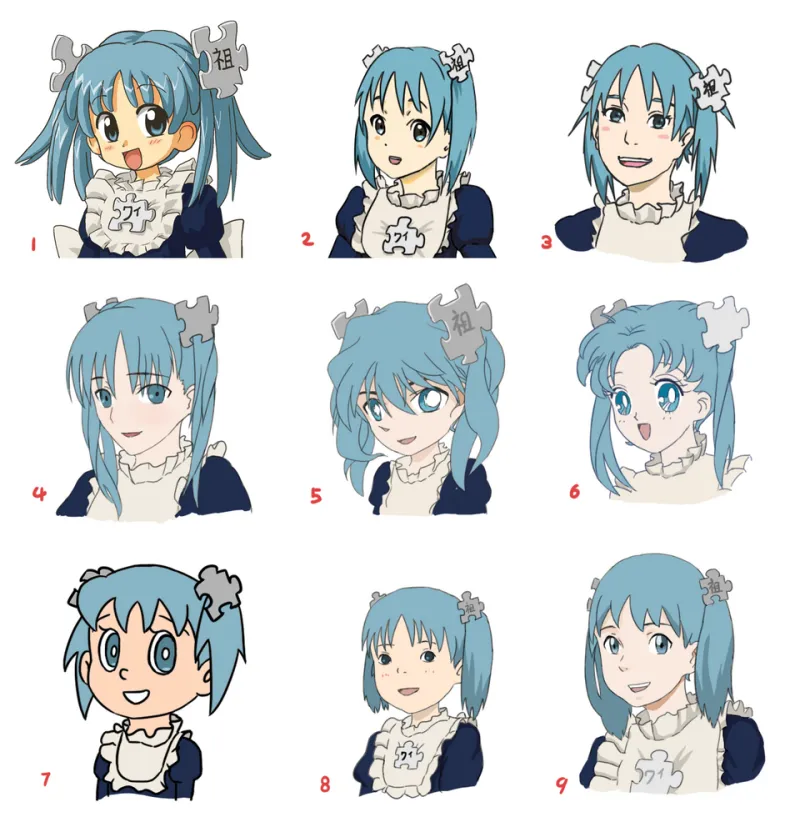
Surrounded and Obsessed: How American Women Are Rewriting the Rules of Anime Romance
For decades, Western romance handed women the same basic template: one woman, one man, a misunderstanding or two, and a tidy resolution. Anime had other ideas. And increasingly, American female fans are choosing those other ideas — loudly, enthusiastically, and in numbers that streaming platforms can no longer afford to ignore.
Reverse harem anime — stories where one woman is surrounded by multiple devoted male love interests — and their close cousins, otome game adaptations, are having a genuine moment in the US. Not a niche moment. A real, measurable, culture-shifting moment. And it's worth asking why it's happening now, who's driving it, and what it means for the anime industry going forward.
The Numbers Don't Lie
Crunchyroll's internal engagement data (shared in broad strokes at industry panels) has consistently shown that titles like Yona of the Dawn, Ouran High School Host Club, and Fruits Basket overperform with US female audiences relative to their overall global rankings. More recently, isekai-adjacent otome adaptations like My Next Life as a Villainess: All Routes Lead to Doom! and I Was Reincarnated as the 7th Prince have found devoted fanbases that go well beyond casual viewers — these are the people buying merch, writing fanfiction, and filling Reddit threads with 10,000-word character analyses at 2am on a Tuesday.
Netflix, never one to miss a trend, has quietly expanded its catalog of shoujo-adjacent and otome titles over the past two years. The platform's decision to license Bibliophile Princess and push The Duke of Death and His Maid to broader audiences wasn't accidental. It followed the data. And the data had a lot of women in it.
Why This Genre Hits Different in America
Here's the thing about reverse harem and otome anime that Western romance often fumbles: the woman at the center actually gets to have preferences. She gets to be confused, powerful, funny, or flat-out oblivious — and the story doesn't punish her for it. The male cast orbits her, not the other way around.
For American women who grew up watching rom-coms where the female lead existed primarily to be chosen, this is kind of a big deal.
There's also a wish-fulfillment angle that's genuinely less complicated than critics want to make it. Watching a protagonist surrounded by interesting men who are all deeply invested in her wellbeing is fun. It's fantasy. The same way action anime lets guys live out power fantasies without anyone demanding they justify it, otome adaptations give women a space to enjoy romantic abundance without the social baggage attached to admitting you want to be adored.
American fandom culture has embraced this with characteristic intensity. TikTok's #otomeAnime tag has racked up hundreds of millions of views. Fan edits of Hakuouki and Collar x Malice get passed around like contraband. Discord servers dedicated to debating which male lead is the "best boy" in Variable Barricade are genuinely active communities with hundreds of members who show up daily.
Studios Are Starting to Listen — Sort Of
The tricky part is that anime production studios haven't fully caught up to what US female audiences actually want. A lot of otome adaptations still get greenlit based on game popularity in Japan, where the target demographic skews slightly older and the cultural context is different. What lands with a Japanese office worker in her 30s doesn't always translate directly to a 22-year-old American fan who found the genre through a YouTube recommendation rabbit hole.
That gap creates some friction. Adaptations that rush through source material to fit a 12-episode cour, or that sand down the rougher edges of a story to make it more broadly palatable, often frustrate the very fans they're trying to attract. The Diabolik Lovers discourse is a perfect example — a title that generated enormous Western interest but alienated a chunk of potential viewers with content that didn't translate well outside its original context.
On the flip side, when studios get it right, the results are striking. My Next Life as a Villainess became a genuine crossover hit partly because it subverted the otome formula in ways that felt fresh and funny even to viewers who'd never touched an otome game. The protagonist's cheerful obliviousness became a feature, not a bug. Western audiences ate it up.
Streaming Platforms as Tastemakers
Platforms like Crunchyroll, Netflix, and HIDIVE are increasingly functioning as cultural curators for US anime fans, and their choices are shaping which subgenres get visibility. The recent push to add more simulcast slots for shoujo and josei titles — genres that historically got fewer slots than shounen — reflects genuine pressure from subscriber behavior.
HIDIVE, in particular, has carved out a reputation for picking up titles that bigger platforms overlook, and female-skewing romance anime has been a consistent part of that strategy. Their catalog of vintage reverse harem titles alongside newer otome adaptations has made them a go-to for fans who feel underserved elsewhere.
What's interesting is that this isn't just about adding more titles. It's about how platforms market them. Thumbnail choices, category placement, recommendation algorithms — all of it shapes whether a potential viewer even discovers a show exists. When platforms start treating otome adaptations as prestige content rather than niche filler, the audience response tends to confirm that was the right call.
What This Means for the Future
The broader implication here is that American female anime fans are actively reshaping the commercial calculus around romance anime. Their spending, their engagement, and their vocal presence in online spaces are signals that the industry is slowly learning to read more accurately.
This doesn't mean every reverse harem pitch is going to get greenlit or that otome adaptations are about to dominate the anime landscape. But it does mean that studios and platforms who continue treating female-skewing romance content as an afterthought are leaving real money on the table — and a passionate, loyal audience without a home.
American women found anime romance on their own terms, built communities around it, and made noise until the industry noticed. That's not a trend. That's a constituency. And the smartest players in the streaming wars are already adjusting their strategies accordingly.
The reverse harem effect is real. And honestly? It's just getting started.