Handshakes, Heartbreak, and $400 Lightsticks: America Is Discovering Oshi-Katsu the Hard Way
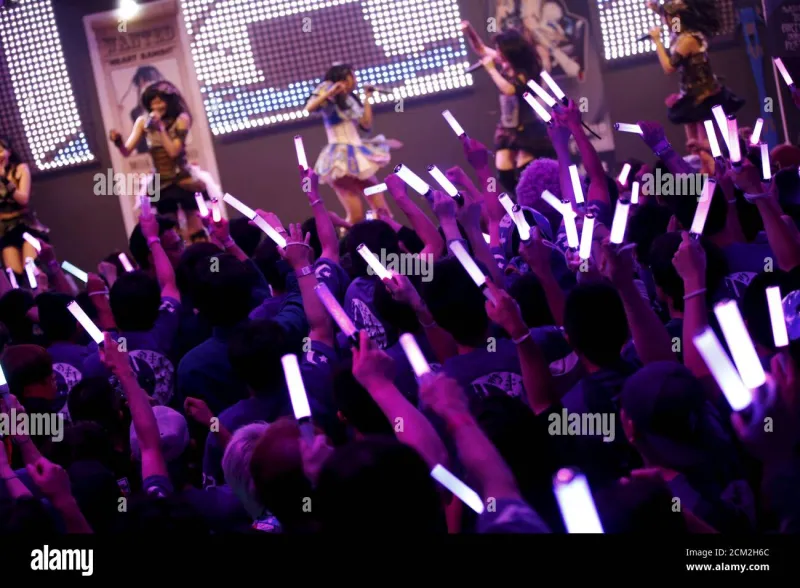
Photo: jpop idol concert fans penlights crowd, via c8.alamy.com
Ask an American J-pop fan what they spent last month, and you might get a nervous laugh. A cheer towel here. Three versions of the same single — because each one came with a different photo card — there. A ticket to a two-second handshake event that cost more than a concert in 2015.
Welcome to oshi-katsu, the Japanese art of supporting your favorite idol with your whole heart and, more importantly, your whole wallet.
What Exactly Is Oshi-Katsu?
The term roughly translates to "pushing" your favorite — your oshi — through purchases, attendance, and relentless online promotion. In Japan, it's a decades-old economy built around idol groups where fans don't just listen to music; they invest in individual members. Buying the same CD five times to vote in a member ranking tournament? Normal. Attending a handshake event where you get ten seconds of eye contact with your oshi? A rite of passage.
For years, this culture stayed on Japan's side of the Pacific. Then streaming, TikTok, and a wave of idol groups touring the US changed the math.
The American Adaptation
Here's the interesting part: US fans aren't copying the playbook wholesale. They're cherry-picking.
What's catching on: multi-member merch collecting, the emotional stakes of choosing an oshi, and the community rituals — choreography at concerts, penlight colors, the whole visual language of devotion. Anime conventions now regularly host idol-style showcase events, and J-pop meetups in cities like Los Angeles and New York look increasingly like Akihabara overflow crowds.
What's getting pushback: the handshake economy. American fans, raised on meet-and-greets that at least include a photo, tend to bristle at paying premium prices for a few seconds of conversation. Several US-based idol events have quietly restructured their formats after fan complaints.
The Dark Side Crossed the Ocean Too
But not everything got filtered. The financial strain is real. Online communities that once joked about "eating rice for a month to afford a birthday set" are now full of earnest budgeting threads. Some fans describe the guilt of skipping an event where their oshi might "notice their absence" — a sentiment that sounds harmless until you're reading it at 2 a.m. from someone who's maxed out a credit card.
Therapists who work with young adults say parasocial attachment isn't new, but the gamified spending loops around it are. Every purchase comes with a lottery ticket to closeness, and that's a powerful hook for anyone lonely or adrift.
A Culture Deciding What to Keep
The healthiest corners of American oshi-katsu fandom are the ones that kept the joy and dropped the obligation. Fans who celebrate when their oshi graduates instead of spiraling. Groups that organize group buys to split shipping costs. Veterans gently talking newcomers down from buying six copies of a single.
Idol culture isn't inherently toxic — at its best, it's a community of people finding genuine happiness in supporting someone's dream. The question for America isn't whether oshi-katsu will take root here. It already has. The question is whether we'll import the guardrails along with the lightsticks.