Bots, Alerts, and a $200 Wall Scroll: How Anime Merch Drops Became the New Ticketmaster Nightmare

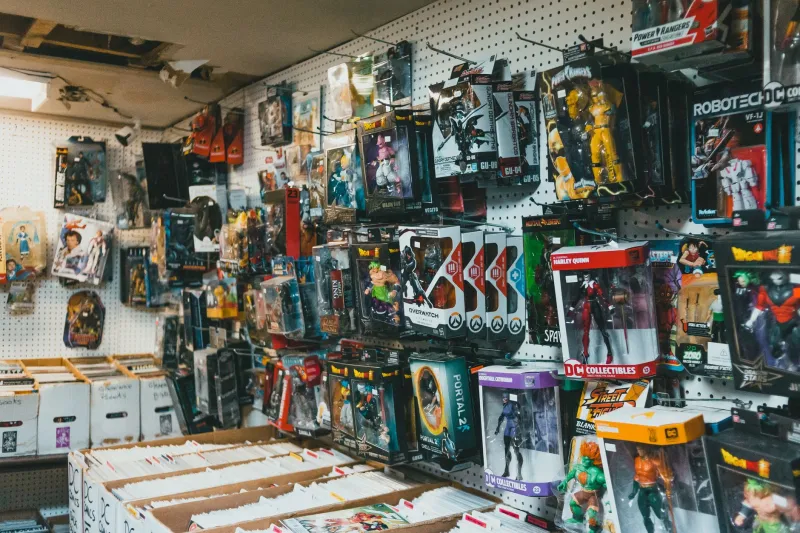
Photo: Miguel Discart & Kiri Karma, CC BY-SA 2.0, via Wikimedia Commons
Picture this: it's 10:58 AM on a Tuesday. You've got a browser tab open, your payment info saved, and your finger hovering over the trackpad. At 11:00 sharp, a limited-run figure of your favorite character goes live. By 11:01, it's gone. By 11:05, it's on eBay for four times the retail price.
If this feels familiar, congratulations — you've survived (or been crushed by) the anime merch drop economy.
From Shelf Purchases to Flash Sales
There was a time when buying anime merch in America meant a trip to the mall. Suncoast Video, Hot Topic's shrinking back wall, maybe a FYE if you were lucky. You walked in, you saw the poster, you bought the poster. Done.
That world is basically gone. Today's anime merchandising borrows heavily from sneaker culture — the same playbook that turned a pair of Jordans into a stock market ticker. Limited runs, timed releases, "vault" re-releases that vanish just as quickly as they appeared, and collaboration items that exist in quantities so small they feel theoretical.
The result? A shopping experience that feels less like retail and more like a raid boss.
Who's Actually Buying This Stuff?
Here's the uncomfortable truth: it's often not the person who wants the item.
Discord servers and Telegram channels dedicated to anime drop alerts have proliferated across the US, pinging thousands of members the moment a restock or limited release goes live. Some of these communities are just fans helping fans. Others run automated checkout bots that can complete a purchase before a human being has finished reading the product page.
The math is simple. A $200 limited-edition art print or a exclusive box set can resell for $500-plus when only 500 units exist and 50,000 people want one. That gap is a business opportunity, and scalpers have noticed.
Casual fans — the ones the industry claims to be courting — are left with two options: pay resale prices or learn to live with the empty spot on their shelf.
Is the Scarcity Real, or Manufactured?
This is where things get murky.
Some scarcity is genuinely logistical. Imported figures and licensed goods have real production limits, licensing windows, and shipping constraints. A US-exclusive run of 1,000 units might truly be 1,000 units.
But other times, scarcity smells an awful lot like strategy. Teasing a "vault opening" weeks in advance. Announcing a collab with no restock plan. Using countdown timers and "only X remaining" banners that turn a purchase decision into a panic attack. FOMO sells, and the anime merchandising space has learned that lesson from the sneaker world's homework.
None of this is technically illegal, and honestly, it's not even new — concert promoters and streetwear brands have done it for decades. But when it collides with a fandom built on emotional attachment to fictional characters, the results hit harder. Fans aren't just buying a hoodie. They're buying proof of devotion. And that's a much easier thing to weaponize.
The Human Cost of the Drop
Talk to enough collectors and a pattern emerges: exhaustion. People describe setting alarms for drops at 3 AM their time, refreshing pages that crash under traffic, and watching items they genuinely wanted appear on Grailed an hour later at markup.
There's also a community cost. Fandom spaces that used to be about sharing finds and trading fairly have developed a suspicious edge. Ask where someone got a rare item and you might get silence — because the answer is a private drop channel they're not supposed to share.
Can It Be Fixed?
A few publishers and retailers have started fighting back. Account verification, purchase limits, and bot-detection software are becoming more common. Some companies have moved to lottery-style releases, where everyone who enters has an equal shot rather than a latency race.
It's a start. But as long as resale margins stay this fat, someone will find a workaround.
In the meantime, the best advice for American fans might be the least satisfying: slow down. The vast majority of "limited" items eventually get restocked, re-released, or quietly replaced by a better version six months later. The drop culture thrives on the belief that this moment is the only moment.
It almost never is. Your shelf — and your wallet — will survive the wait.