Screaming for the Seiyuu: When Voice Actors Get the Rock Star Treatment in America
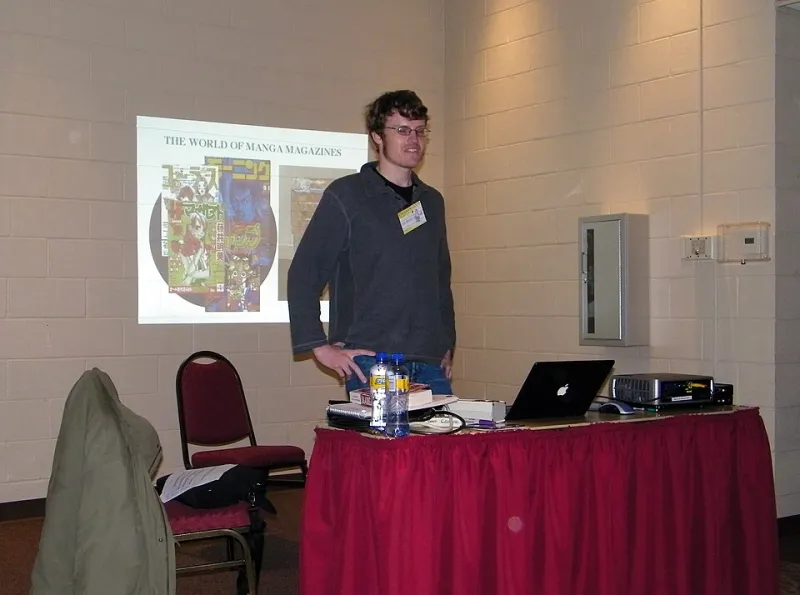
Photo: millermz on Flickr., CC BY 2.0, via Wikimedia Commons
Twenty years ago, if you told an American anime convention organizer that a Japanese voice actor could headline their event — above actual musicians, above celebrity guests — they'd have laughed you out of the planning meeting.
Nobody's laughing now.
The Panel Is the Concert
Walk the floor of any major US con these days — Anime Expo, Otakon, Crunchyroll Expo's spiritual successors — and you'll find a specific kind of scene repeating itself: a line snaking around the convention center hours before a seiyuu panel, fans clutching signable merch, phones out, ready to scream the moment the guest walks on stage.
These aren't quiet Q&As anymore. They're productions. Lights, hype videos, moderator theatrics, crowd chants of the actor's most famous lines. When a beloved voice actor delivers their signature character catchphrase live, the room loses its collective mind in a way that looks, from the outside, exactly like a pop concert.
And the pricing reflects it. Meet-and-greet packages and autograph tickets routinely run $80 to $150 on top of a badge that already costs $100 or more. For a die-hard fan, that's a car payment's worth of access to ninety seconds of eye contact.
The Idol-ization of a Behind-the-Scenes Craft
In Japan, the seiyuu idol economy has been building for decades. Voice actors there don't just record lines — they release singles, host radio shows, appear in magazines, and perform at their own concerts. The voice is the product, and the person behind it is a full-spectrum entertainer.
What's changed is that this model has fully crossed the Pacific. American fans now follow specific actors across franchises the way they follow idols across comebacks. A casting announcement can generate more social media buzz than the anime itself. Convention organizers know this, and they bid accordingly — which means appearance fees for top-tier seiyuu have climbed into territory that would've been unthinkable for the industry a generation ago.
The Good News (Because There Is Some)
Let's be fair to the trend before we dunk on it.
Voice acting in Japan has historically been underpaid and undervalued relative to the revenue it generates. A-list actors have spoken openly about brutal hours and modest compensation. If international fame and premium appearance fees put more money and leverage in performers' pockets, that's a win, full stop.
There's also something genuinely moving about it. These are artists whose work fans have lived with for hundreds of episodes. Getting to say thank you, face to face, isn't trivial. The tears at these meet-and-greets are real.
The Extraction Question
Here's where the opinion part comes in: I'm not convinced the convention circuit is giving back as much as it takes.
Consider the flow of money. Fans pay premium prices for access. Cons pay appearance fees to talent agencies and management companies. A slice reaches the performer; the rest evaporates into logistics, licensing, and margins. Meanwhile, the actual anime productions that made these voices famous — the studios, the underpaid production assistants, the animators — see none of it.
There's also a subtle creative cost. When voice actors become brands, there's pressure to protect the brand. Panels get safer. Questions get pre-screened. The spontaneous, unguarded moments that made early con appearances special get sanded down by handlers and image management. The idol economy demands polish, and polish is the enemy of surprise.
What Would Giving Back Actually Look Like?
If cons want to claim they're supporting the industry, not just renting its faces, a few things would need to change. Appearance deals that include direct contributions to production studios or industry charities. More programming that centers the craft — live script readings, dubbing workshops, actual skill — instead of just celebrity worship. And pricing that doesn't gate the most meaningful fan experiences behind a second mortgage.
None of this will happen spontaneously, because the current model works. Tickets sell. Lines form. Everyone involved profits except, arguably, the art itself.
But here's the thing about fandom: it has reshaped industries before. American fans turned dub actors into con headliners, and then into legitimate recording stars. They did it by showing up loudly and spending deliberately. The same leverage exists here.
The seiyuu deserve the applause. The question is whether the applause ever reaches the people who wrote the lines, drew the faces, and built the worlds those voices live in. Until it does, the rock star treatment is a party — just not one everyone's invited to.