Here Today, Gone Tomorrow: The Messy Reality of Reading Manga on Your Phone

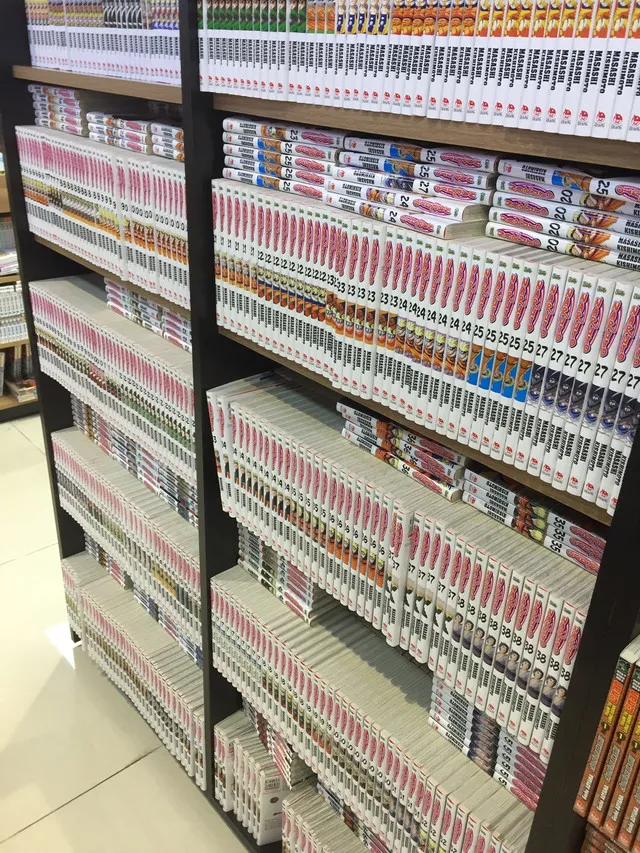
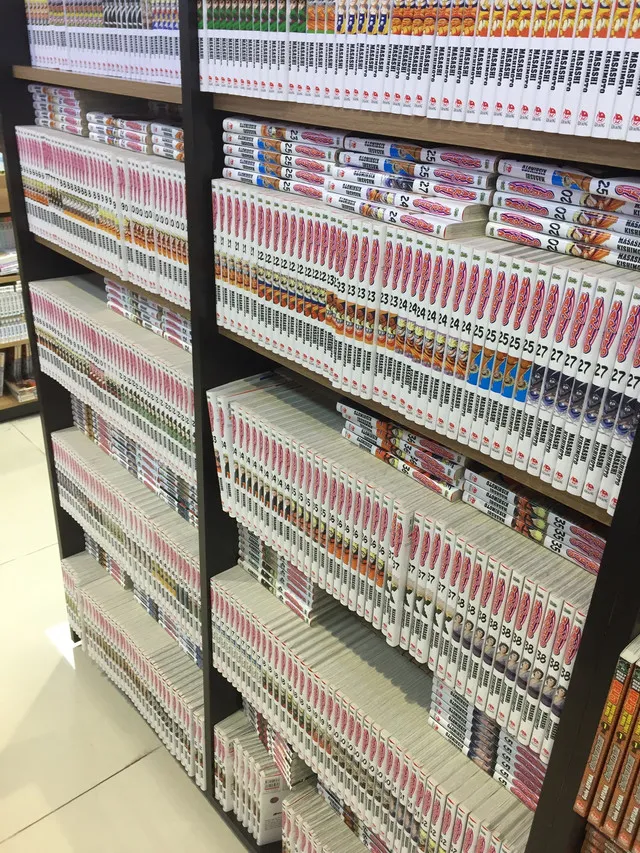
Photo: Nesnad, CC BY 4.0, via Wikimedia Commons
You open your favorite manga app on a Tuesday morning, ready to catch up on the latest chapter — and the series is just gone. No warning, no explanation, just a blank space where your reading list used to be. If you've been reading manga digitally in the US for more than a hot minute, this scene probably feels painfully familiar. The digital manga landscape is booming, but underneath all that growth is a system so fragmented and unpredictable that even dedicated fans are struggling to keep up.
So what's actually going on? And more importantly, where did your series disappear to?
Licensing: The Invisible Hand Pulling Series Off Shelves
Here's the thing nobody really explains when you first download a manga app: the titles you're reading aren't "on" the platform in any permanent sense. They're licensed — meaning the app has a temporary, negotiated right to host that content. When that deal expires, gets renegotiated, or falls apart entirely, the series vanishes. Sometimes overnight.
Licensing agreements in the manga world are notoriously complicated. A Japanese publisher might license a title to one US distributor for digital rights, another for print, and yet another for audio — or they might bundle everything together in an exclusive deal that locks a series to a single platform for years. When contracts come up for renewal, business decisions get made that have nothing to do with how many fans are actively reading. The series might move to a competitor. It might get pulled entirely while a new deal is negotiated. It might just disappear into a licensing gray zone that nobody talks about publicly.
The result for American readers is a constant, low-grade anxiety about whether the series they're invested in will still be there next month.
The Big Players and What They're Actually Good At
Navigating digital manga in the US basically means getting familiar with a handful of major platforms — and understanding that none of them does everything well.
Crunchyroll Manga has been going through some serious growing pains since the Funimation merger reshuffled priorities across the board. For fans who already have a Crunchyroll subscription for anime, the manga library feels like a bonus — but the catalog has shrunk noticeably in recent years, and simulpub access (reading chapters at the same time they drop in Japan) is one of the few areas where it still holds a real edge.
Kindle and ComiXology — which Amazon has been slowly merging into a somewhat awkward unified experience — offer a massive back catalog and solid reading tools, especially on tablets. The problem is pricing. Buying volumes individually adds up fast, and there's no subscription model for manga the way there is for, say, Kindle Unlimited novels. ComiXology Unlimited does exist, but the manga selection is inconsistent and changes without warning. Sound familiar?
Viz Media's app and website remain genuinely underrated for fans of Shonen Jump titles specifically. The ShonenJump.com subscription is one of the best deals in digital manga — a few bucks a month gets you same-day chapter releases for heavy hitters like One Piece, Jujutsu Kaisen, and My Hero Academia, plus a deep back catalog. If your tastes run toward Viz's catalog, this is probably the most stable reading experience available in the US right now.
BookWalker doesn't get nearly enough attention in American fan conversations, but it should. It's the digital storefront run by Kadokawa — one of Japan's biggest publishers — and it carries a genuinely impressive range of titles, including a lot of series that simply aren't available elsewhere in the US market. The interface takes a little getting used to, and the coin-based purchasing system feels a bit quirky, but for readers chasing harder-to-find titles, it's worth the learning curve.
The Smaller Apps Doing Interesting Things
Beyond the major platforms, a few scrappier options are worth knowing about.
Azuki has been building buzz as a premium alternative with a clean, reader-friendly interface and a growing catalog of licensed titles. It's leaning hard into the idea of manga as a premium reading experience rather than a content firehose, which appeals to a certain kind of dedicated fan.
Manga Plus by Shueisha is completely free and officially licensed — a legitimately wild offer when you think about it. The catch is that it's limited to the first and last few chapters of ongoing series, which makes it great for sampling but frustrating for binge-reading. Still, for keeping up with new chapters of Shueisha titles without paying anything, it's hard to argue with.
Renta! caters heavily to romance and BL manga, filling a niche that mainstream platforms often underserve. If your reading tastes run in that direction, it's worth bookmarking.
Why Digital Fragmentation Hits Different Than Physical
There's a version of this problem that existed in the print world too — titles going out of print, publishers dropping licenses, bookstore shelf space being unpredictable. But physical manga has a quality that digital doesn't: once you own it, you own it. A volume sitting on your shelf isn't going anywhere because a licensing deal expired.
Digital reading creates a false sense of permanence. Your library looks complete. Your bookmarks are saved. Your reading progress is tracked. And then one day it's all just gone, and you realize you never actually owned any of it — you had access to it, which is a very different thing.
This is reshaping how American fans think about discovery and commitment. Newer readers, many of whom came to manga through social media recommendations and app algorithms, are experiencing the medium in a fundamentally more fragmented way than fans who built physical collections. The emotional investment is the same, but the infrastructure underneath it is way less stable.
A Few Practical Tips for Keeping Your Reading Life Intact
Until the industry figures out a more coherent digital strategy — and honestly, don't hold your breath — here are some ways to protect yourself from the disappearing-series problem.
First, track what you're reading and where. It sounds basic, but knowing which platform hosts which series means you'll notice faster when something moves rather than just vanishing from your recommendations.
Second, consider buying volumes digitally for series you're genuinely committed to, rather than relying on subscription access. It costs more upfront, but Kindle and BookWalker purchases are less likely to evaporate than subscription catalog titles.
Third, follow publishers and platforms on social media. Licensing changes rarely get announced with fanfare, but sharp-eyed community members usually catch the signs — a title quietly disappearing from a catalog, a publisher announcing a new distribution deal — before the average reader notices.
And finally, don't sleep on physical copies for your absolute favorites. There's a reason longtime manga fans still have shelves full of volumes even in a world where everything theoretically lives on their phones.
The manga app explosion has genuinely made the medium more accessible than ever for American readers. But accessible doesn't mean stable, and the sooner fans understand how the licensing game actually works, the less blindsided they'll be when their Tuesday morning reading plans go sideways.