First Volume, Wrong Direction: How the Manga Industry Keeps Tripping Up New Readers
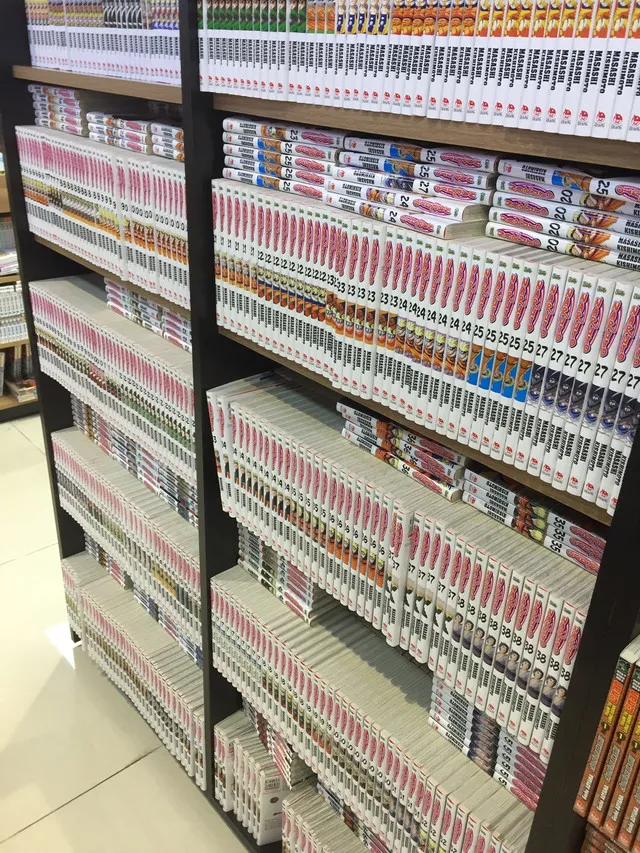
Photo: AxitTDTbenzoic, CC BY-SA 4.0, via Wikimedia Commons
Picture this: you've heard everyone raving about a particular manga series, so you finally head to your local Barnes & Noble or fire up an online cart. You grab what looks like Volume 1, get home, crack it open, and immediately feel like you've walked into a movie halfway through. The story seems weirdly advanced. Characters are referencing things that already happened. You flip back to the cover — yep, it says Volume 1. So what gives?
Welcome to the manga reading order maze, a genuinely confusing landscape that has been frustrating newcomers for decades. And while part of the confusion is baked into the medium itself, a surprising chunk of it is a problem that publishers are actively making worse.
The Right-to-Left Thing Is Just the Beginning
Most people who've spent any time around manga know the basic orientation rule: Japanese comics read right-to-left, back-to-front by Western standards. Publishers like Viz Media and Yen Press typically include a small note on the final page reminding readers to flip the book over. It's a minor hurdle, and honestly most new fans clear it pretty fast.
But that's the easy part. The deeper confusion comes from a web of decisions that publishers make — and frequently contradict each other on — that turn what should be a simple reading experience into a scavenger hunt.
Take series numbering. Most manga series number their volumes sequentially starting at 1, which seems obvious enough. But then you've got spin-offs, prequels, and side-story volumes that get shelved right alongside the main series without clear labeling distinguishing them. A new reader picking up Attack on Titan might accidentally grab a Before the Fall or No Regrets volume — both legitimate entries in the franchise, but absolutely not where anyone should start. The spines often look nearly identical. The branding is consistent. The reading order? A mystery.
Omnibus Editions: Helpful or Harmful?
Omnibus collections — those chunky volumes that bundle two or three original volumes into one — have become increasingly popular, and for good reason. They're often cheaper per chapter and feel like better value. But they've also introduced a new layer of numbering chaos.
Some publishers restart the volume count for omnibus editions at 1, while others label them as "Omnibus Volume 1" covering original Volumes 1–3. A few publishers do both in their catalog, using different systems for different series. A first-time buyer searching for "Volume 4" of a series might find two completely different books depending on whether they're looking at the standard or omnibus edition — and neither product page always makes that distinction obvious.
Amazon listings don't help. Third-party sellers frequently mislabel editions, and user reviews sometimes reference chapter numbers rather than volume numbers, which adds yet another unit of measurement into the mix for someone who doesn't yet know the difference.
When the Story Itself Breaks the Rules
Some manga series deliberately mess with reading conventions in ways that are artistically interesting but practically nightmarish for entry-level readers. Certain titles publish their chapters out of chronological order across volumes, designed to be read in a specific sequence that differs from the release order. Others are structured as anthology-style stories where each volume is technically self-contained but builds on cumulative lore that rewards reading in order.
Then there are series that have been relaunched, rebooted, or re-released under slightly different titles as publishers changed hands or licensing agreements shifted. A title that was originally published by one company and later picked up by another might have slightly different volume numbering, different translation choices, or even different cover art — all while being listed on retail sites as if they're the same unbroken run.
For a seasoned manga reader, navigating this is second nature. For someone who just finished watching an anime and wants to pick up the source material? It's a brick wall.
Publishers Know This Is a Problem (So Why Isn't It Fixed?)
Here's the frustrating part: this isn't a secret. Publishers, retailers, and fan communities have all acknowledged that the entry-point problem exists. And yet the solutions have been slow, inconsistent, and often half-measures.
Some publishers have started including "reading order" guides inside collected editions or on their websites. Viz Media has made efforts to clearly label their shonen titles with "Start Here" messaging on certain flagship volumes. Yen Press occasionally includes series guides in their releases. These are genuinely helpful moves.
But they're not universal, they're not standardized, and they often don't reach the reader at the moment it matters most — which is when they're standing in the aisle or scrolling through a product listing, trying to make a purchase decision in under two minutes.
Digital platforms like Viz's own app or Manga Plus have an opportunity to do this better, since they can surface reading order information algorithmically. Some do this reasonably well. Others just dump an entire catalog on you and wish you luck.
What Would Actually Help
The fix isn't complicated in concept, even if it's logistically annoying in practice. A few things would make a meaningful difference for new readers in the US market:
Standardized "Start Here" labeling on physical volumes — not just a publisher-specific initiative but an industry-wide norm. A small, consistent badge on the cover of a true Volume 1 would go a long way.
Clear differentiation between main series and spin-off volumes at the point of sale. This means better metadata on retail sites and more distinctive visual design on spin-off covers so they don't blend in with the main run.
Omnibus editions that explicitly state which original volumes they contain on the front cover, not buried in fine print inside.
Retailer-side improvements, particularly from Amazon and BookShop, to enforce consistent series metadata and flag mismatched editions before they confuse buyers.
None of this requires reinventing the wheel. It just requires treating new readers like people who deserve a clear on-ramp rather than a loyalty test.
The Cost of Confusion
This might sound like a minor inconvenience, but the stakes are actually pretty real. The manga industry in North America has been on an incredible growth run. Scholastic fairs are stocking manga. Public libraries are expanding their graphic novel sections to include it. Anime adaptations are pulling in millions of new potential readers every season.
Every one of those new readers who buys the wrong volume, gets confused, and quietly puts the medium down is a lost fan. And given how much work goes into getting someone interested enough to make that first purchase, fumbling them at the finish line is a genuinely costly mistake.
The manga reading experience, once you're in it, is one of the most rewarding things in pop culture. Publishers just need to stop making the door so hard to open.