Who Decides What Manga You Get to Read? Meet the Handful of Publishers Running the Show
Photo: Vemisters, CC0, via Wikimedia Commons
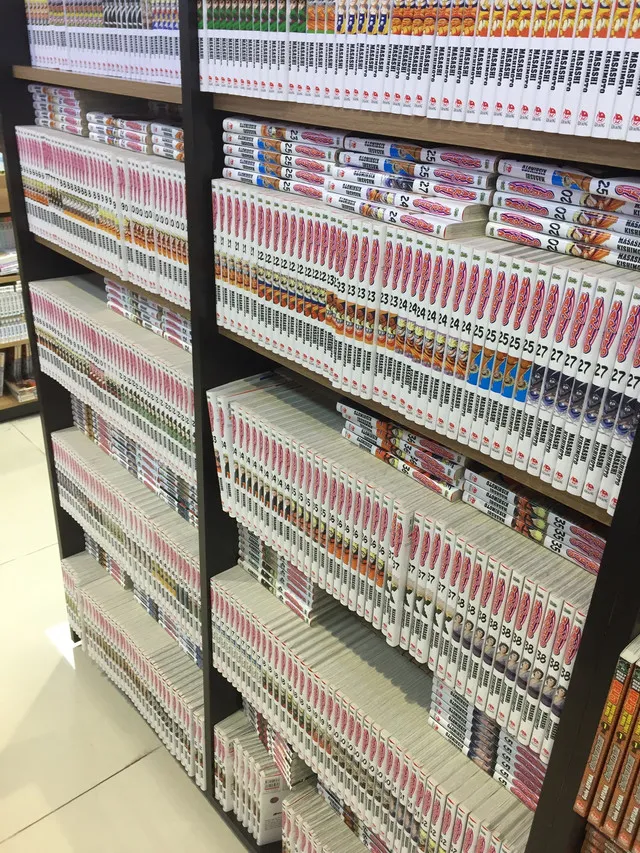
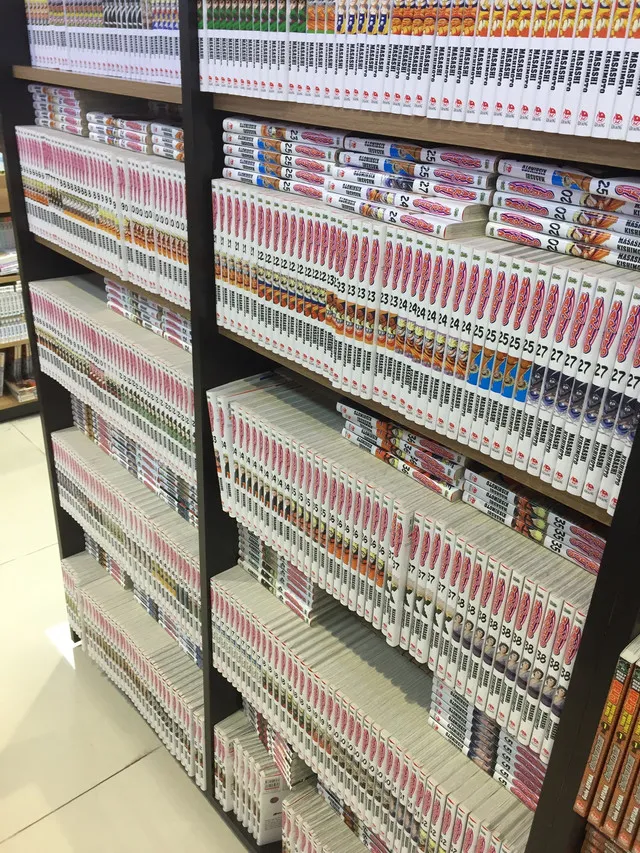
Walk into any Barnes & Noble with a manga section and take a slow look at the spines lining those shelves. Flip to the copyright page on a few volumes. You'll start noticing the same names cycling over and over — Viz Media, Yen Press, Seven Seas Entertainment, Kodansha USA, TOKYOPOP (yes, they're back). That's not a coincidence. It's the shape of an industry where a handful of companies have quietly divided up the American manga market like a very polite, very organized pie.
For fans scrolling through Reddit threads begging for an English release of some beloved niche title, this concentration of power isn't just a business footnote — it's the reason their wish list keeps growing without actually shrinking.
The Big Players and How They Got Here
Viz Media is the undisputed heavyweight. Backed by Shueisha and Shogakukan — two of Japan's largest publishing houses — Viz has the kind of institutional access that smaller companies can only dream about. That's why they hold the keys to Naruto, One Piece, Demon Slayer, Jujutsu Kaisen, and basically the entire Shonen Jump catalog. When a series blows up in Japan, Viz is often already in the room before the ink dries on the licensing paperwork.
Yen Press, owned by Hachette Book Group (itself part of the French media giant Lagardère), plays a different game. They've built a reputation for scooping up light novel adaptations and quieter titles that fly under the mainstream radar — until they don't. The Eminence in Shadow, Mushoku Tensei, Frieren: Beyond Journey's End — Yen Press has a nose for series that look mid-tier until suddenly every anime fan in America is obsessed with them.
Seven Seas Entertainment is the scrappy, fan-beloved underdog of the group — relatively speaking. They've carved out a real identity by leaning into genres the bigger publishers historically ignored: yuri, boys' love, monster girl stuff, horror, and some genuinely weird niche titles that make hardcore fans feel seen. They're also more transparent about their acquisition process than most, which has earned them a loyal following.
Kodansha USA sits in an interesting spot. As the American arm of Kodansha — the publisher behind Attack on Titan, Fairy Tail, and Sailor Moon — they operate with direct pipeline access to their parent company's catalog. And TOKYOPOP, the publisher that arguably introduced a generation of American millennials to manga before its 2011 collapse, has been making a slow, cautious comeback with a mix of OEL (original English-language) manga and new licenses.
Why Concentration Means Gatekeeping
Here's the uncomfortable math: there are thousands of manga series published in Japan every year. The US market receives a fraction of them. And the titles that make the cut aren't always chosen because they're the best or most creatively interesting — they're chosen because they make financial sense to the companies calling the shots.
Licensing a manga series isn't cheap. Publishers have to negotiate rights fees with Japanese rights holders, pay translators and letterers, print physical volumes, manage digital distribution, and market the whole thing to an audience that might not even know the series exists yet. For a mid-sized publisher, greenlighting a 30-volume series is a serious financial commitment. That reality creates a natural bias toward titles that already have anime adaptations (built-in audience), big social media buzz, or established genre formulas that have performed well before.
What gets squeezed out? Experimental storytelling. Niche demographics. Series aimed at older women. Titles with complicated cultural contexts that might require heavier localization investment. Horror that doesn't fit the mainstream mold. Josei manga — stories written for adult women — remains genuinely underrepresented on American shelves despite a clear and vocal fanbase demanding more of it.
The Licensing Lottery and Who Loses
For creators, the US market's publishing structure can feel arbitrary. A series can be a genuine cultural moment in Japan — critically praised, widely read, deeply influential — and still never get an English release because no American publisher sees a clear path to profitability. Sometimes rights holders in Japan have complicated feelings about certain publishers, or previous licensing relationships went sour, and that history quietly blocks a title from ever getting a shot.
For readers, the frustration is real and specific. Fans of older series know the pain of watching a beloved title go out of print when a publisher loses the license, with no guarantee anyone else will pick it up. Niche genre fans — especially BL readers, horror fans, and anyone interested in titles outside the shonen action lane — have learned to celebrate every Seven Seas announcement like it's a personal gift, because the mainstream pipeline simply wasn't built with them in mind.
Digital platforms like Azuki and Manga UP have started chipping away at some of these barriers by offering simulpub access to series that haven't been physically licensed yet. But digital access and physical publication are still two very different things in terms of cultural visibility and fan community building.
Is Anyone Actually Challenging the Status Quo?
A little bit, yeah. Smaller publishers like Glacier Bay Books and others are starting to test the edges of what's commercially viable, taking swings on titles the big five wouldn't touch. Crowdfunding has occasionally worked for bringing obscure titles over. And the growth of digital manga readership — accelerated hard by the pandemic — has given some publishers data that challenges old assumptions about what American readers actually want.
There's also real pressure coming from the fan side. The manga community in the US is louder, more organized, and more financially invested than it's ever been. Publishers do pay attention to fan campaigns, pre-order numbers, and social media noise. It's not a perfect system, but it's more responsive than it used to be.
What This Means for Your Shelf (and Your Wish List)
Understanding who controls the pipeline doesn't mean you have to feel helpless about it. Buying the titles you love — physically, if you can — sends a signal that matters. Talking about niche series online, tagging publishers, joining fan campaigns for unlicensed titles: these things genuinely move the needle sometimes.
But it also means going in with clear eyes. The US manga market isn't a neutral showcase of the best Japan has to offer. It's a curated, commercially driven selection shaped by a small group of companies making calculated bets. Some of those bets are great. Some of the most important manga you'll ever read is sitting in Japan right now, waiting for someone to decide it's worth the risk.
Whether that decision ever gets made depends on a complicated mix of money, relationships, timing, and occasionally — just occasionally — a loud enough fandom making enough noise to tip the scales.