Volume 7 Is Still Sitting on Your Shelf: Why American Manga Readers Are Walking Away From Series They Once Loved

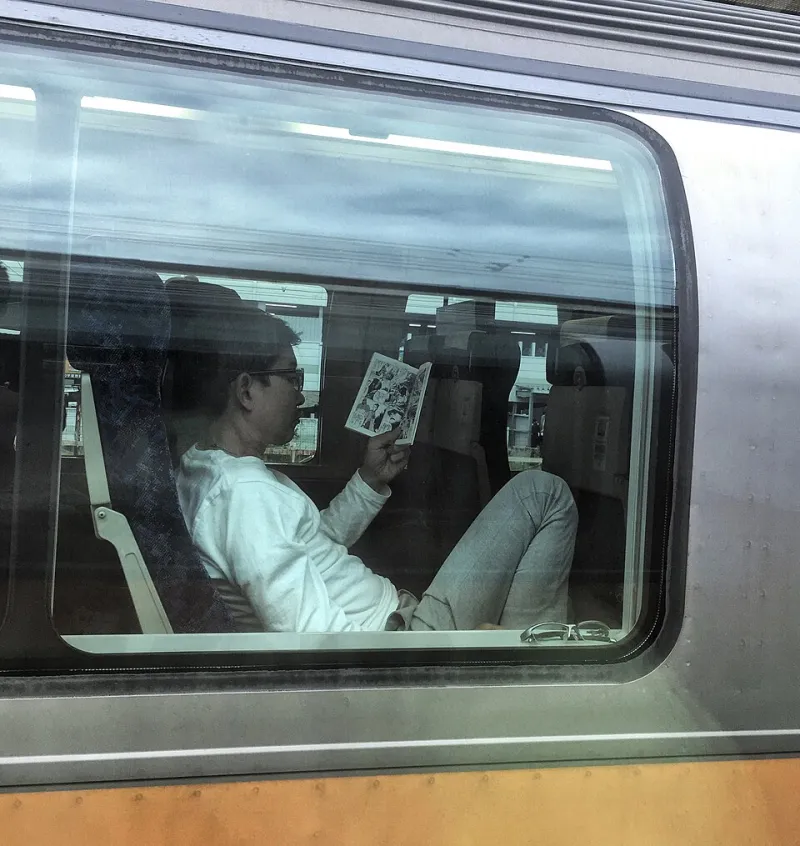
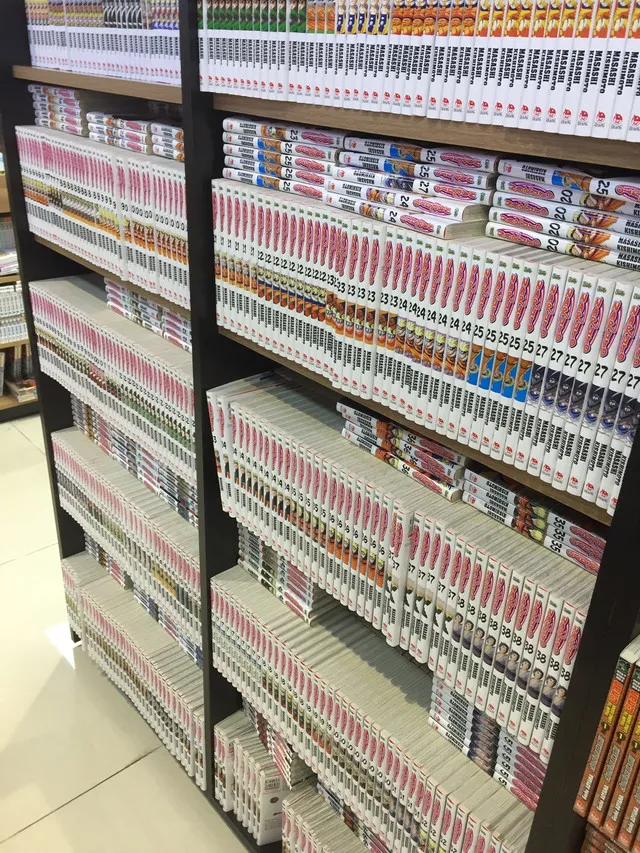
Somewhere in your home — maybe on a dedicated shelf, maybe in a box you keep meaning to unpack — there is probably a stack of manga volumes that stops at a number that isn't the last one. Volume 4 of something you genuinely loved. The first three books of a series you recommended to a friend before realizing you'd never finished it yourself. A run of volumes that just... ends, for reasons you've half-forgotten.
You're not alone. In fact, you're in very good company.
The incomplete manga collection has become one of the defining features of the American manga reading experience, and the reasons behind it are more complicated — and more worth talking about — than simple attention span.
The Wait That Breaks the Spell
When manga is good, it's really good. The pacing, the visual storytelling, the way a skilled mangaka can make a single page turn feel like a gut punch — there's nothing quite like it. American readers have embraced the format enthusiastically, and the US manga market has grown significantly year over year.
But here's the structural problem that nobody in the industry seems eager to address head-on: Japanese manga is typically published in collected volumes months after its original serialization, then licensed, translated, and released in the US on a schedule that can stretch anywhere from six months to well over a year per volume. For a long-running series, that math gets brutal fast.
Consider a series that runs 30 volumes in Japan. If the US publisher is releasing one volume every four to six months — which is not unusual — you're looking at a twelve-to-fifteen year commitment just to finish reading it. That's assuming the US release never pauses, never gets delayed, and never gets cancelled. All three of those things happen constantly.
"I started reading a series when I was in high school," said Devon, a 26-year-old reader from Columbus, Ohio. "It's still not finished in English. I'm a different person now. I genuinely can't remember what was happening in the story, but I also feel weird starting over from volume one."
That experience — investment decaying over time, story momentum completely lost — is the psychological core of the backlog crisis.
The Publishers With the Messiest Track Records
Not all manga publishers are created equal when it comes to consistency, and American readers have developed strong opinions about which companies can be trusted to actually see a series through.
Viz Media, as the largest US manga publisher, has the most mixed record simply by virtue of volume — they license so many titles that their hits and misses both land loudly. Their handling of long-running Shonen Jump properties has generally been reliable, but mid-tier and niche titles have seen delays, hiatuses, and occasional quiet abandonment.
Tokyopop's collapse in 2011 remains the single most traumatic event in the history of American manga publishing from a reader perspective. The company dropped dozens of ongoing series mid-story with essentially no warning, leaving readers stranded in the middle of narratives with no resolution and no realistic prospect of another publisher picking up the slack. Many of those series remain officially incomplete in English to this day.
Yen Press has built a strong reputation for catalog depth and relatively consistent release schedules, though they're not immune to delays. Seven Seas Entertainment has earned genuine fan loyalty through transparent communication and a willingness to license titles that bigger publishers overlook — but even they operate within an industry infrastructure that makes delays structurally inevitable.
"The worst part isn't even the wait," explained Priya, a 29-year-old manga reader and collector from Seattle. "It's not knowing. Is the series still coming? Did the publisher quietly drop it? Is there a licensing issue? Nobody tells you anything. You just check the bookstore and it's not there."
When Cancellation Means No Ending
Delays are frustrating. Cancellations are devastating.
The experience of investing deeply in a story — following characters across multiple volumes, caring about where their arcs are going — and then having the English release simply stop is a specific kind of literary grief that manga readers know intimately. Unlike a TV show that gets cancelled, where at least the episodes that aired remain accessible and complete, a cancelled manga license can effectively make a story inaccessible in English entirely, particularly for readers who don't read Japanese.
The scanlation community has historically filled some of this gap — fan-translated chapters that circulate outside official channels — but the quality varies enormously, and it's not a solution that publishers are ever going to officially endorse.
The psychological impact of narrative incompleteness is documented in research on story engagement. Humans have a strong drive toward closure, and stories that end mid-arc activate what psychologists call the Zeigarnik effect — the tendency for incomplete tasks to linger in working memory more persistently than completed ones. In other words, the manga you never finished bothers you more than the one you did, even years later.
The Abandonment Decision
At some point, many readers make a rational choice to stop engaging with a series they're no longer confident will reach them in any complete form. It's not apathy — it's self-protection.
"I got burned enough times that I basically stopped reading anything ongoing," said Marcus, a 33-year-old in Denver who estimates he has around 40 incomplete series on his shelves. "I only start new stuff now if it's already fully published in Japan and I can see that the English release is close to caught up. Otherwise I just wait."
This "wait until it's complete" approach has become increasingly common among experienced US manga readers, and it represents a significant behavioral shift. It also creates a feedback loop problem for publishers: readers hold off on buying ongoing series, sales figures for mid-run volumes decline, and publishers have less financial incentive to prioritize completing licenses.
What Would Actually Help
The solutions aren't simple, but they're not mysterious either. More transparent communication from publishers about license status and release timelines would go a long way toward rebuilding trust. Digital-first release strategies — which several publishers have experimented with — can compress the gap between Japanese and US availability significantly.
Manga Plus, Shonen Jump's official free digital platform, has demonstrated that simultaneous worldwide release is technically achievable for serialized chapters. The challenge is extending that model to collected volumes and to publishers beyond the Shueisha umbrella.
For now, though, the half-finished stack remains a defining symbol of the American manga experience — a monument to stories that got interrupted, relationships with characters that went unresolved, and a publishing infrastructure that keeps asking readers to have more faith than the track record has earned.